Controlling Soil Pollution

Get started

Conservation of resources refers to the practice of caring for the available resources to ensure their continuous availability for future use. Some resources can lead to environmental pollution if not well conserved. Pollution has negative effects on crops, humans and livestock. In this sub strand, you will learn about the causes of soil pollution in gardening, control soil pollution in the home environment and demonstrate responsibility by applying safe farming practices to conserve soil.
A. Causes of soil pollution in gardening

Soil pollution refers to the introduction of harmful substances into the soil.

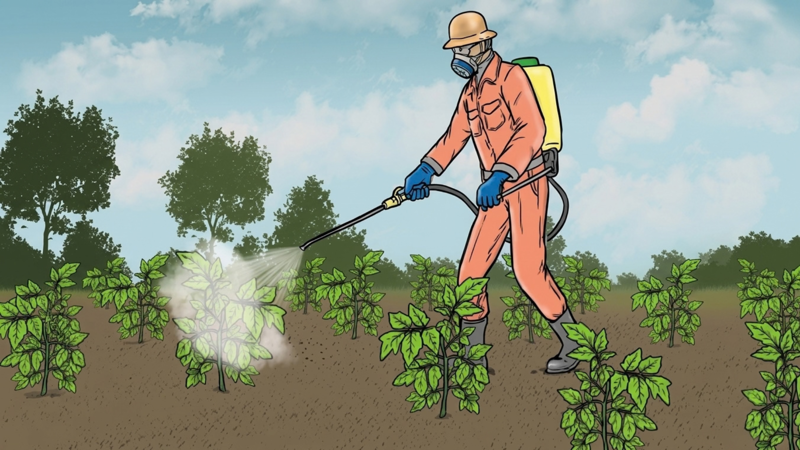
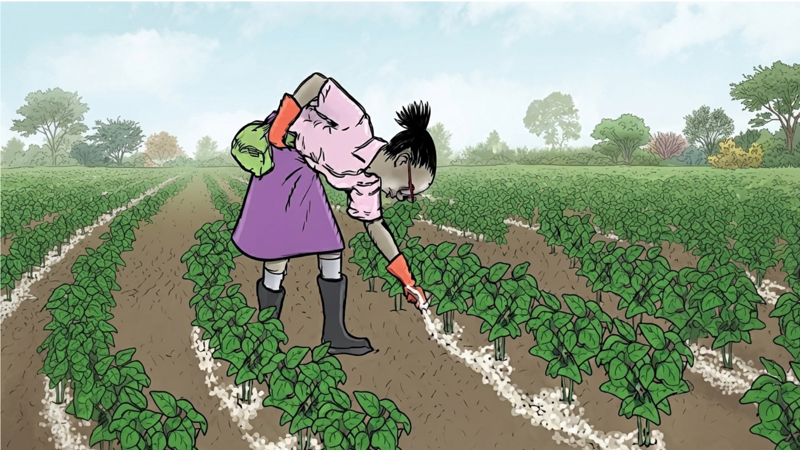
Study pictures A and B.

How do the farming practices in pictures A and B cause soil pollution?

  • They cause harmful chemical residues to accumulate in the soil.
  • They remove all harmful substances from the soil.
  • They may kill useful soil organisms such as earthworms and microorganisms.
  • They may change soil acidity and affect soil fertility.
  • They may harm organisms that help decompose organic matter in the soil.
  • They may contaminate groundwater through leaching.
  • They may contaminate nearby water sources through surface runoff.
  • They make the soil permanently safe for growing all crops.
  • They may disturb the natural balance of organisms in the soil.

A

B

Work in groups

  1. Share ideas on the causes of soil pollution in your locality.
    1. Use textbooks or digital devices to search for information on the causes of soil pollution. You may watch the video clip as guided by your teacher.
    2. Discuss your findings in class.
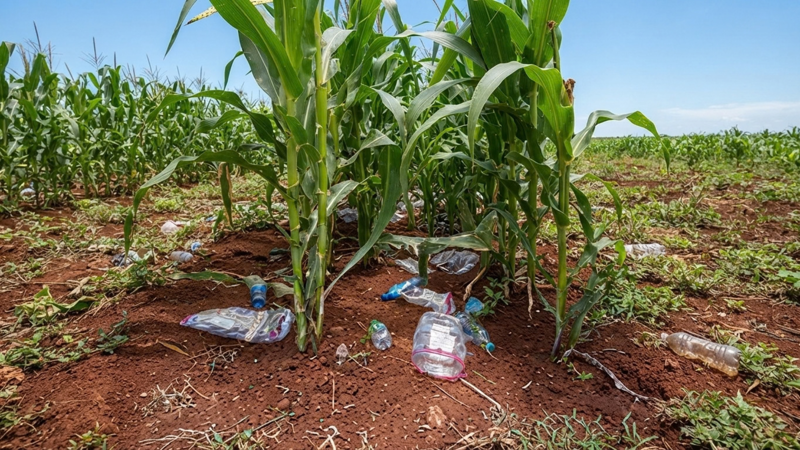
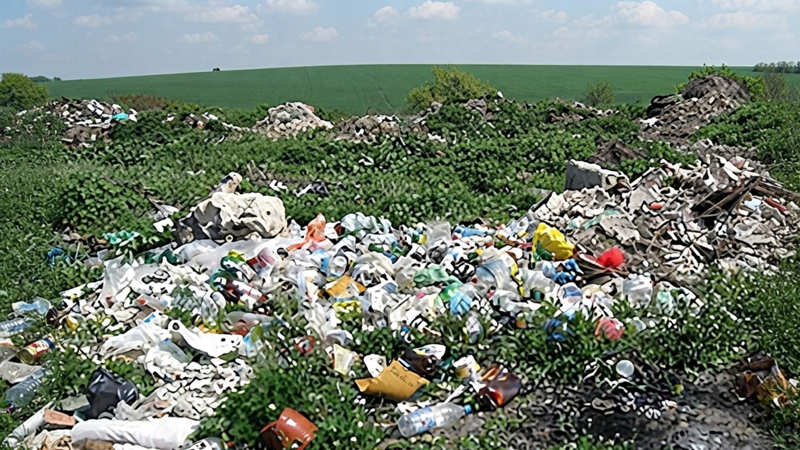
  2. Carefully study the pictures A – D explain the causes of soil pollution in pictures.
  3. How do the following practices cause soil pollution?
    1. Excessive use of artificial fertilisers.
    2. Dumping waste water on agricultural land.
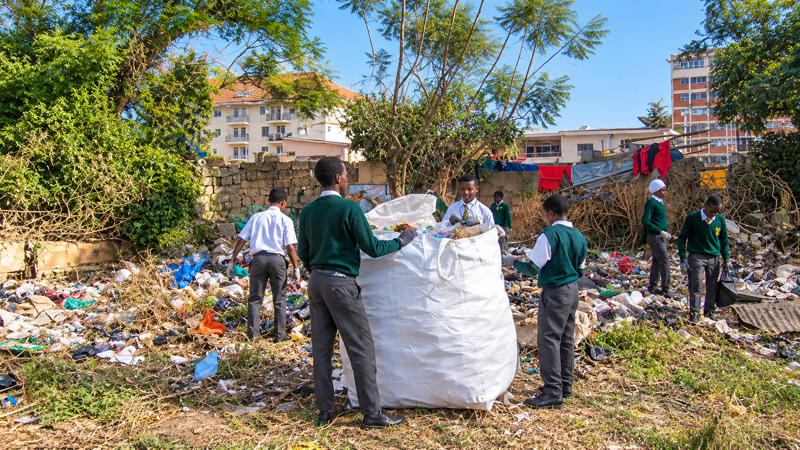
    3. Dumping plastic waste in the garden.
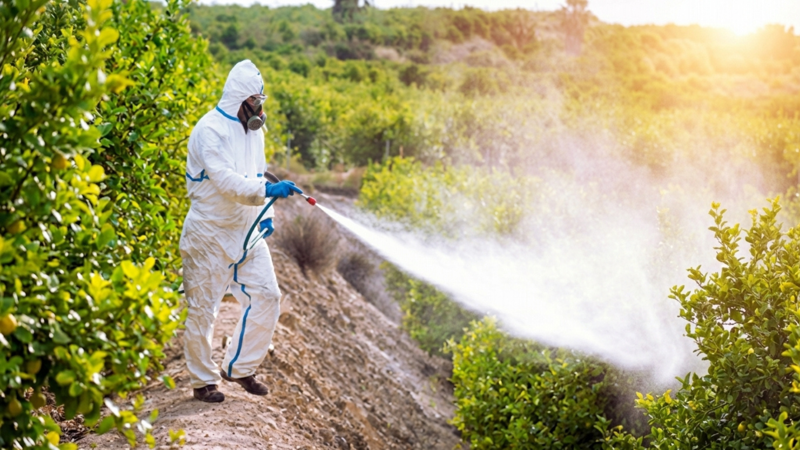
    4. Excessive use of pesticides and herbicides.
  4. Share your group’s findings on the causes of soil pollution with your classmates.

A

B

C

D

Learning corner

Soil pollution can be caused by the following farming practices:

  1. Poor disposal of waste water: Waste water from laundry area, bathrooms and kitchen sinks contain chemicals that are used in manufacturing cleaning agents like soaps and detergents. Disposing this water on agricultural land causes pollution since the chemicals alter the chemical state of the soil leading to death of plants and animals living in the soil.
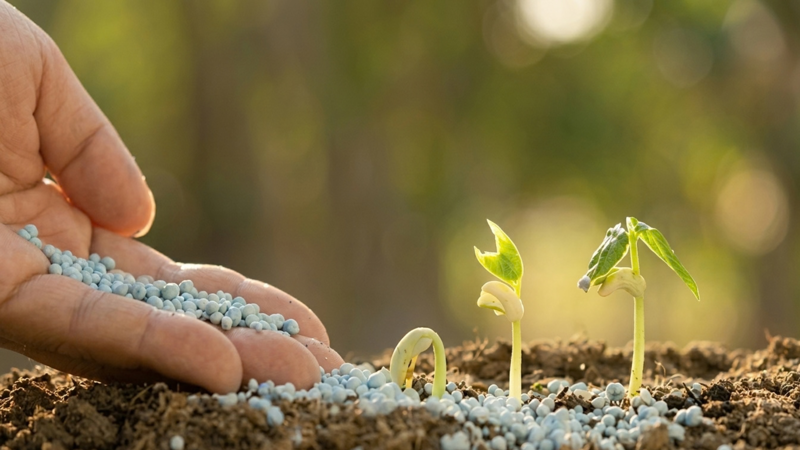
  2. Excessive use of artificial fertilisers: Artificial fertilisers are manufactured using chemicals like acids. If such fertilisers are applied in excess during planting or top dressing, they can lead to chemical build up in the soil. This results in change in the chemical state of the soil.
  3. Excessive use of agricultural chemicals: Agricultural chemicals like herbicides and pesticides are manufactured using chemical compounds which may be harmful to living things inhabiting the soil. If applied in excess, toxic chemicals accumulate in the soil. resulting in pollution.
  4. Poor disposal of plastic waste: Plastic waste includes plastic containers, polythene sheets and bags. They block free circulation of air and cause accumulation of waste gases in the soil to harmful levels. This in turn suffocates the living things inhabiting the soil.

Extended Activity

  1. Wear your protective clothing.
  2. Take a walk around the school compound or in the neighbourhood garden.
  3. Identify possible soil pollutants.
  4. Back in class, use your digital device or print media to search for information on the causes of soil pollution in farming.
  5. Watch a video clip on the causes of soil pollution in farming.
  6. Suggest and discuss farming practices that cause soil pollution.
  7. Share your findings with your classmates.

B. Control of soil pollution in the home environment

Think and share

  1. Some of the practices carried out by farmers may cause soil pollution. Farmers need to control soil pollution for production of healthy crop produce.
    ​What farming practices do you think farmers should apply to control soil pollution?
  2. Soil pollution in the home environment can be controlled by use of appropriate household practices.
    ​How can we safely control soil pollution in the home environment?

Activity 2: Controlling soil pollution in the home environment

Work in groups

  1. Share ideas on the appropriate methods of controlling soil pollution.
  2. Wear personal protective equipment such as gumboots and farming gloves.
  3. With the guidance of your teacher, identify the cause of soil pollution in the school environment. Carry out suitable practices to control soil pollution in school environment.
  4. Discuss the methods you used to control soil pollution.
    1. Construct a structure for separating household waste where plastics and chemical containers can be dumped for recycling.
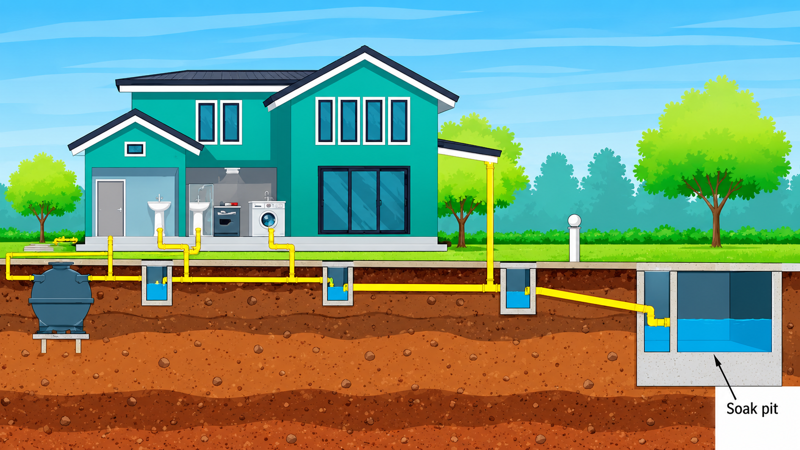
    2. Construct a channel for directing waste kitchen water away from agricultural land to the soak pit.
  5. Share your experiences with your classmates.

Self-check corner

What are the safe farming practices that help to prevent soil pollution?

A

B

C

D

Learning corner

We can control soil pollution through:

  1. Safe disposal of household waste water in soak pits as shown in picture A.
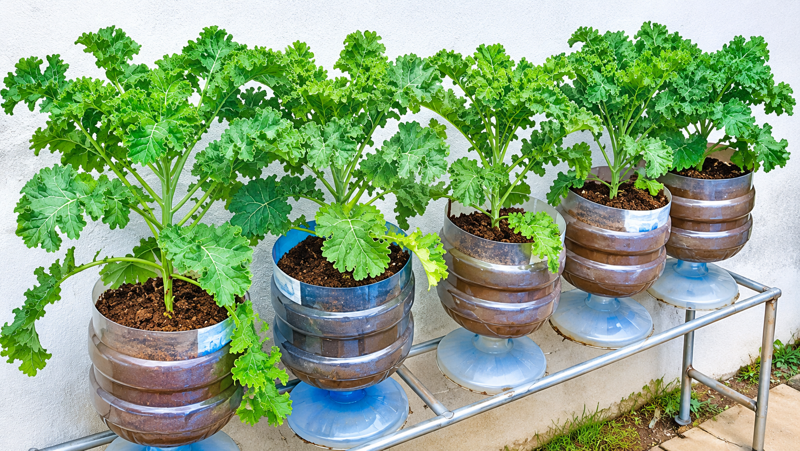
  2. Re-using plastic wastes or chemical containers.
    The plastic bottles can be cleaned and used to make suspended gardens or be given out to recycling agencies as shown in image B.
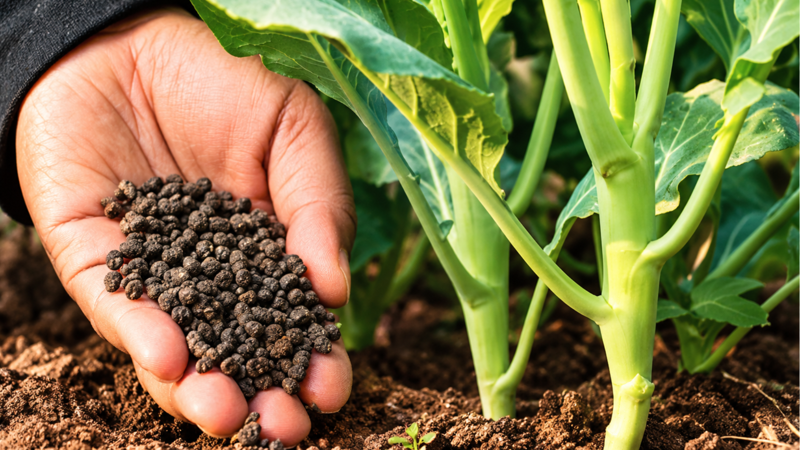
  3. ​Controlled use of artificial fertilisers. Organic manure can be used instead of artificial fertilisers as shown in image C.
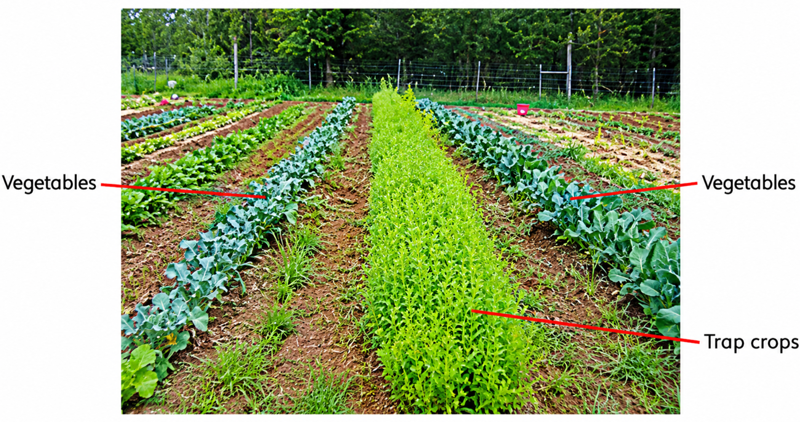
  4. Using non-chemical methods of weed and pest control. These include weed control by use of cultivation method, controlling pests by use of repellant crops and trap cropping as shown in image D.
  5. Disposing plastic waste at designated points for ease of reusing and recycling. This can be achieved by use of litter bins for isolating from other inorganic waste.

Discuss other methods you can use to control soil pollution.

Note

We control soil pollution to reduce the accumulation of chemicals in the soil. These chemicals become poisonous to crops and soil micro-organisms.

Extended Activity

  1. With the help of your guardian or parent, identify the causes of soil pollution in your home environment.
  2. Wear your personal protective equipment.
  3. Carry out soil pollution control practices on the identified soil. Write your experiences in your journal.
  4. Share your experiences on the activity with your classmates.

C. Safe farming practices to conserve the soil

Think and share

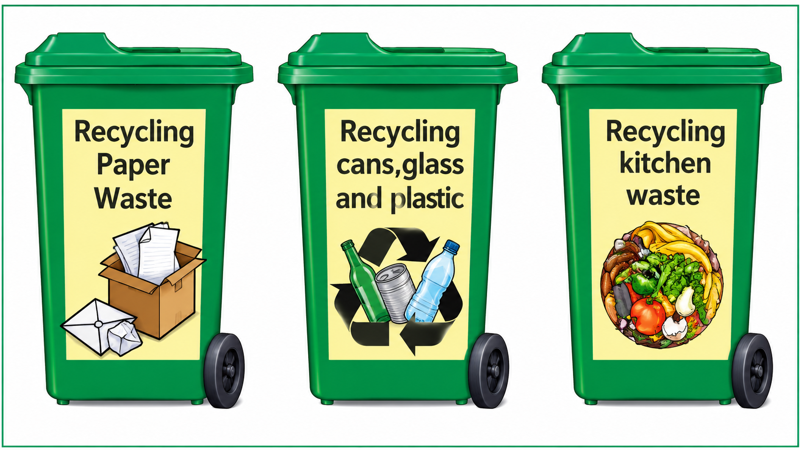
During the Annual County Environmental Day, Moraa saw litter bins labelled with information, as shown in the picture, in the compound of the host school.

Why is this information important to learners?

Activity 3: Demonstrating responsibility in using safe farming practices to conserve the soil

Work in groups

  1. What are the various methods we can use to create awareness on safe farming practices to conserve the soil?
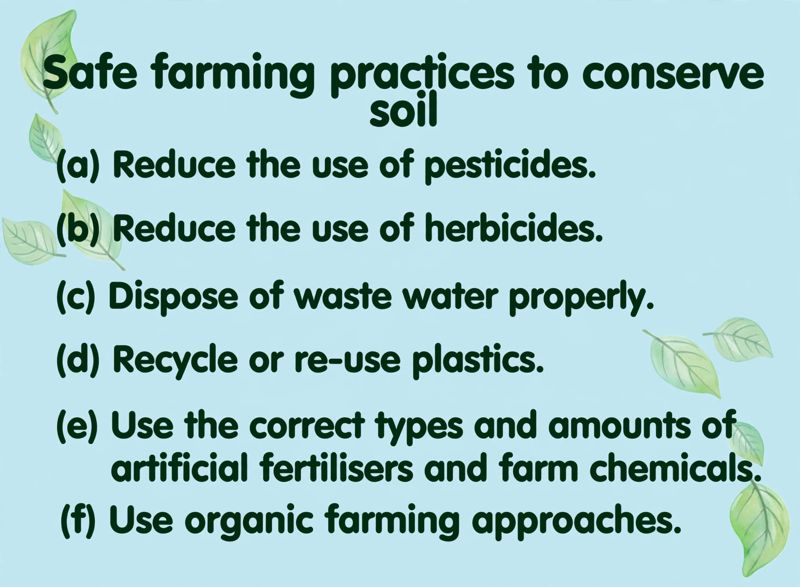
  2. Study the information in the poster provided.
    ​Using the information in the poster above, use locally available materials to design a poster on how to control soil pollution.
  3. Use the information on the poster you have designed to sensitise the school community on how to control soil pollution during Parents’ Day.
  4. Display your poster on the noticeboard.

Fun in Agriculture

Wanjiko and Jabali, Grade 7 learners, took a walk around a farm. During the walk, they came across plastic and chemical waste. Use your finger to trace the path they will follow to dispose of the waste correctly.

Establish vegetable crops in the school kitchen garden. Carry out management practices on the crops until maturity as shown on the table.

Activity

Members responsible

Responsibility

Control of pests and diseases

  1. Ensuring that the correct concentration of agricultural chemical is used.
  2. Using organic methods of pest control (trap cropping).
  3. Ensuring waste water from the kitchen is properly disposed.

Manure application

Using organic manure and the correct type and amount of artificial fertiliser.

Waste collection

Constructing collection points for plastic waste, chemical waste and organic waste to prevent pollution.

  1. Establish a vegetable crop and carry out management practices until maturity.
  2. Fill in the table above

Review Exercise 1.1

  1. What are the safe farming practices that can be used to control soil pollution?
  • Using organic manure to improve soil fertility.
  • Applying artificial fertilisers in the recommended amounts.
  • Applying excessive amounts of fertilisers to crops.
  • Using pesticides and herbicides according to instructions.
  • Practising crop rotation to maintain soil health.
  • Properly disposing of farm chemicals and their containers.
  • Spraying pesticides more often than recommended.
  • Using biological methods to control crop pests.
  1. Why is it important to control soil pollution in the home environment?
  • To prevent harmful substances from contaminating food crops.
  • To protect soil organisms that help maintain soil fertility.
  • To increase the accumulation of plastic waste in the garden.
  • To reduce the risk of harmful substances entering the food chain.
  • To ensure that all chemical substances remain in the soil.
  • To protect people and animals from exposure to harmful substances.
  1. Which of the following are causes of soil pollution in a garden?
  • Excessive application of artificial fertilisers.
  • Dumping untreated wastewater on the soil.
  • Applying well-decomposed compost manure.
  • Dumping plastic waste in the garden.
  • Excessive use of pesticides and herbicides.
  • Mulching the garden with clean, dry grass.
  1. During an Agriculture lesson, Grade 7 learners from Maiuni Junior School gave the following as causes of soil pollution.
    1. Excessive use of pesticides to control pests.
    2. Excessive use of artificial fertilisers.
    3. Uprooting of weeds using hands.
    4. Excessive use of herbicides to control weeds.
    5. Dumping plastic and kitchen waste water onto the farm.

Which one is not a cause of soil pollution?