Controlling Soil Erosion

Get started

Conservation of resources ensures that such resources are sustained so that they are available for use in the present and years to come.

Soil is an important natural resource. It is the top most layer of the earth’s crust. It supports plant life by holding the roots, providing nutrients and water.

A. Types of soil erosion in the environment

Think and share

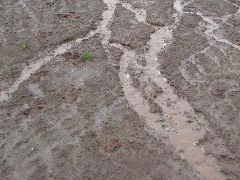
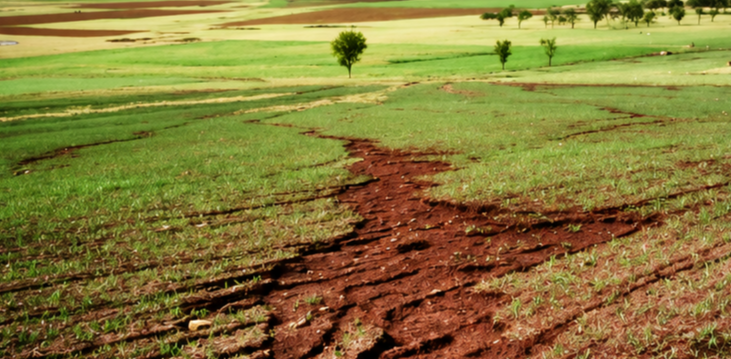
  1. Carefully study the following picture.
  1. What do you see in the picture?
  2. Explain the effect that the situation in the picture has on soil.
Work in groups
    1. Using print media or digital devices, search for information on soil erosion in the environment.
    2. Discuss your findings in class.
    3. Using the information from (a) above, answer the following questions.
      1. What is the meaning of soil erosion?
      2. Which is not a type of soil erosion?
      3. Give a brief description of the types of erosion discussed. 
    4. What causes soil erosion?
  1. One evening after a heavy rainfall, Kaka made the observations shown in the following pictures.
    1. Identify the types of soil erosion in picture A and B.
      1. A
      2. B
    2. What are the characteristics of the types of soil erosion in picture A and B?
      • Results in small depressions in the soil as raindrops scatter the loose soil.
      • Caused by impact of raindrops on bare soil.
      • Splashes soil particles in different direction.
      • Caused by running water on slopping land.
      • Forms small, shallow channels.
      • Most severe during heavy rainfall.
      • Channels are usually a few centimeters deep.
      1. Read the following sentences carefully and select whether it is correct or not correct.
        1. Gully erosion is characterized by formation of wide and deep channels.
        2. Sheet erosion is not easily noticed.
        3. Rill erosion is the formation of small channels.
        4. Gully erosion appears as small channels in cultivated land.
        5. Rill erosion can become gully erosion with time.
      2. Describe the main difference between gully and rill erosion.
          • Forms gully erosion with time.
          • Develops from enlarged rills.
          • Channels can be removed by normal ploughing.
          • Forms large deep channels.
          • Forms small shallow channels.
          • Causes moderate soil loss.
          • Channels cannot be removed by normal ploughing.
          • Causes excessive soil loss and land degradation.
          1. Share your findings with your classmates for discussion.

          Learning corner

          The following are types of soil erosion.

          1. Splash erosion or raindrop erosion. It results when raindrops hit bare soil, removing and dispersing soil particles.
          2. Sheet erosion. It is the uniform removal of soil in thin layers from flat or gently sloping areas. Water flows over the land at relatively slow speed carrying the soil from the top layer.
          3. Rill erosion. This is the removal of soil from small but well-defined channels (rills). The channels are shallow and narrow. It is common on ploughed lands or fields without vegetation.
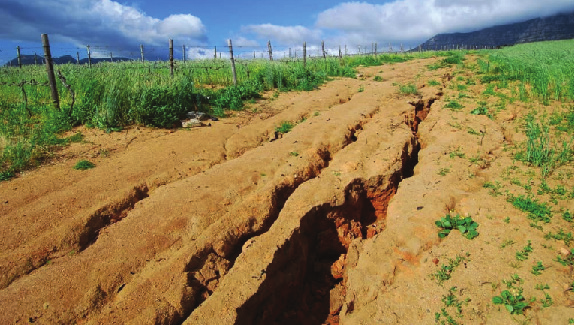
          4. Gully erosion. This occurs when running water removes soil resulting to channels, which progressively become deeper and wider. It is an advanced stage of rill erosion.
          1. Take a walk in the school neighbourhood.
          2. Observe common types of soil erosion, if any.
            1. Take photographs of the areas affected by various types of soil erosion.
            2. Write down the features of areas affected by different types of erosion. 
          3. Back in class, discuss the various types of soil erosion based on the features observed.
          4. Share your findings in class for discussions.

          B. Controlling soil erosion in the environment

          Think and share

          After the long rains, Mr. Fanaka’s farm was left with numerous channels. At certain areas, the channels were wide making the land look ugly. Mr. Fanaka spread dry maize stalks on the channels. He also arranged stones across the channels. He planted trees around his farm and started practicing contour farming.

          1. What are the types of soil erosion experienced on Mr. Fanaka’s farm?
          1. What methods did Mr. Fanaka apply to control soil erosion?
          • Planting trees
          • Mulching
          • Cover cropping
          • Contour farming
          • Constructing gabion

          Activity 2: Identifying methods of controlling soil erosion

          You need: A digital device with internet connectivity.

          Work in groups
          1. Share your experiences on methods of controlling soil erosion in your locality.
          2. Karembo used the following methods to conserve soil on her farm. Carefully study the following pictures and identify the method of controlling soil erosion.

          A

          B

          C

          D

          E

          F

          1. Which pictures in (2) refer to the following methods of controlling soil erosion?
            1. Cover cropping – planting crops that cover the soil, protecting it from surface run-off.
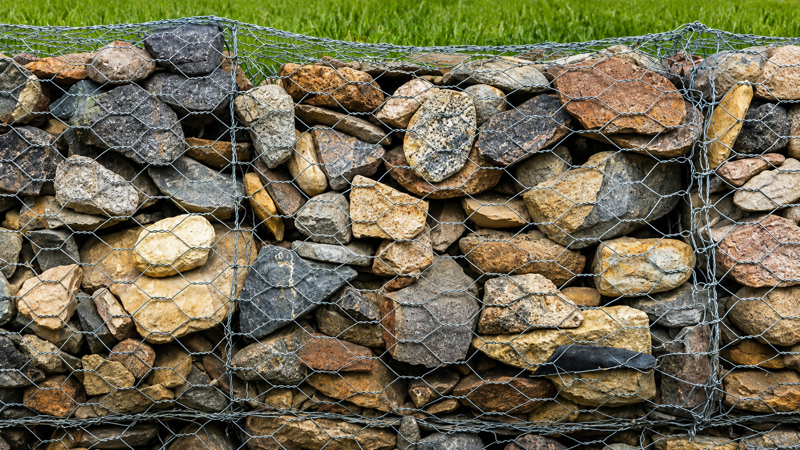
            2. Constructing gabion – building structures that slow down the speed of surface run-off in gullies and trap the eroded soil.
            3. Planting trees – establishing trees to reduce the impact of raindrops before they fall on the ground and to hold the soil particles.
            4. Mulching – applying dry grass or dry leaves on the soil to reduce surface run-off.
            5. Grass strips – planting strips of grass across a slope helps the grass to trap the eroded soil.
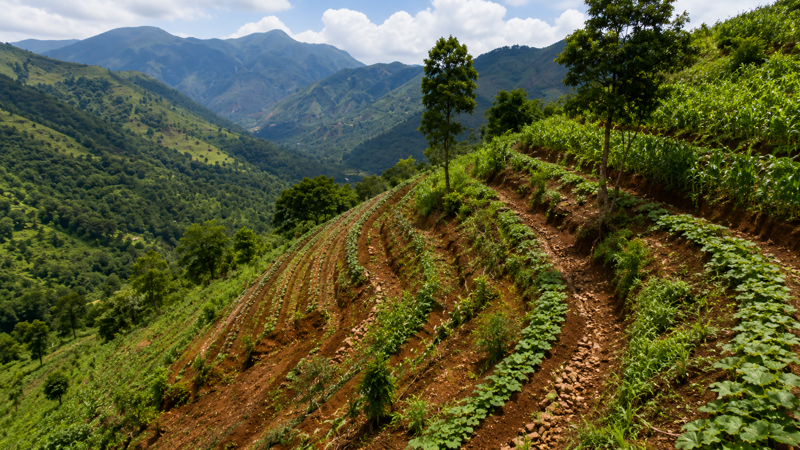
            6. Terracing – making ridges or platforms on slopy or hilly land to reduce the flow water.
          2. Using a digital device connected to the internet, watch a video clip on the methods of controlling soil erosion.
          3. Discuss the methods used to control soil erosion observed in the video clip.
          4. Identify the methods of controlling soil erosion in your locality.
          5. Make a class presentation on the methods of controlling soil erosion.

          Learning corner

          Soil erosion can be controlled by practising the following measures that conserve soil.

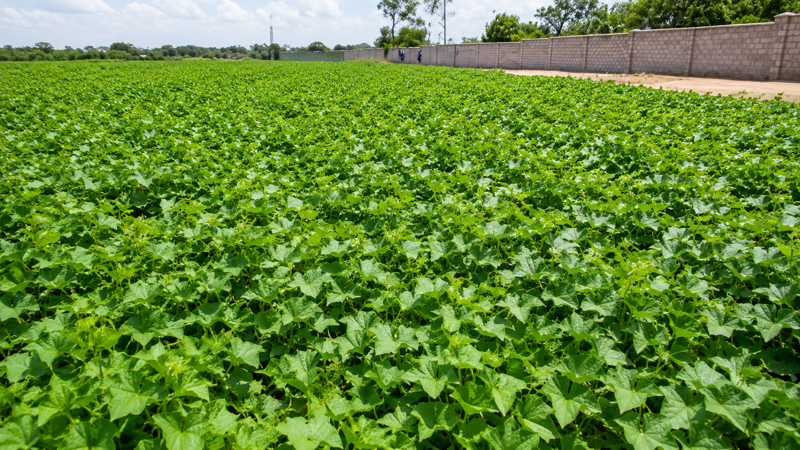
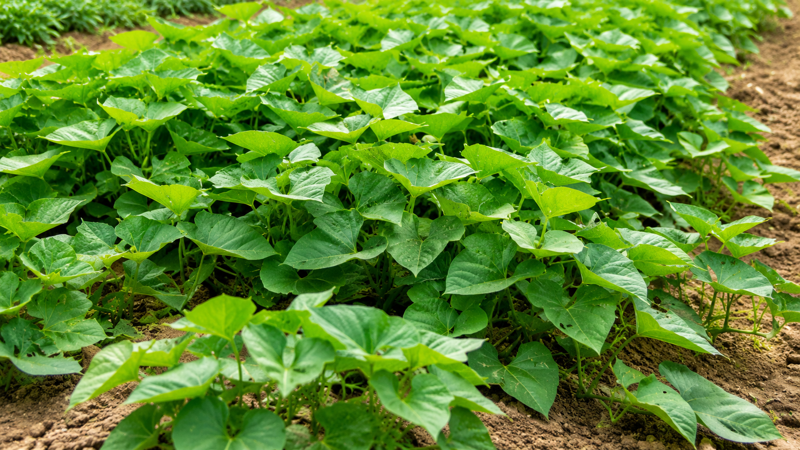
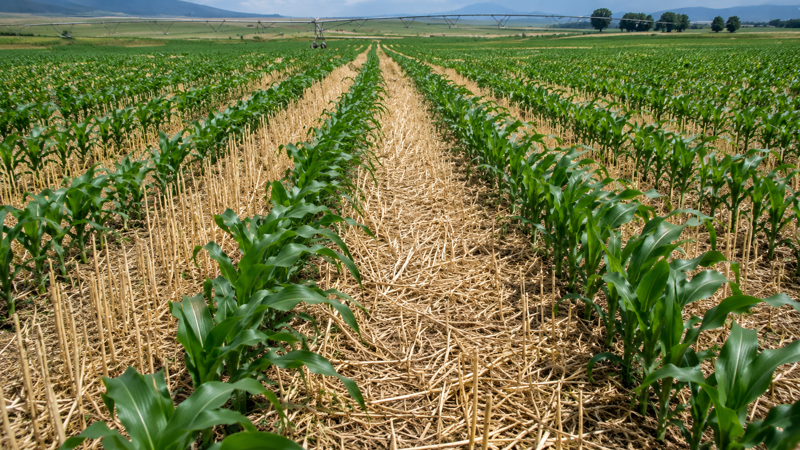
          1. Planting cover crops. This involves planting a crop that offers a good ground cover. This reduces the impact with which the raindrop hits the ground.
          A cover crop on a piece of land
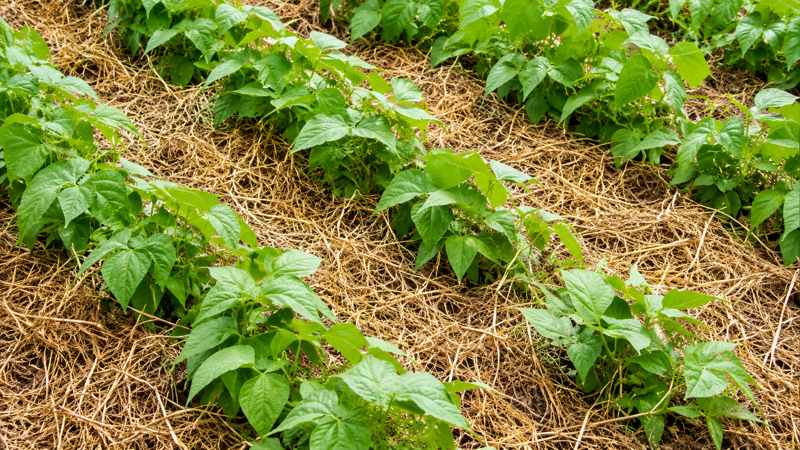
          1. Mulching. It involves spreading dry grass or straw on the soil. This controls soil erosion by reducing the impact of the raindrop. Mulching also reduces the speed of surface run-off water.
          A mulched piece of land​
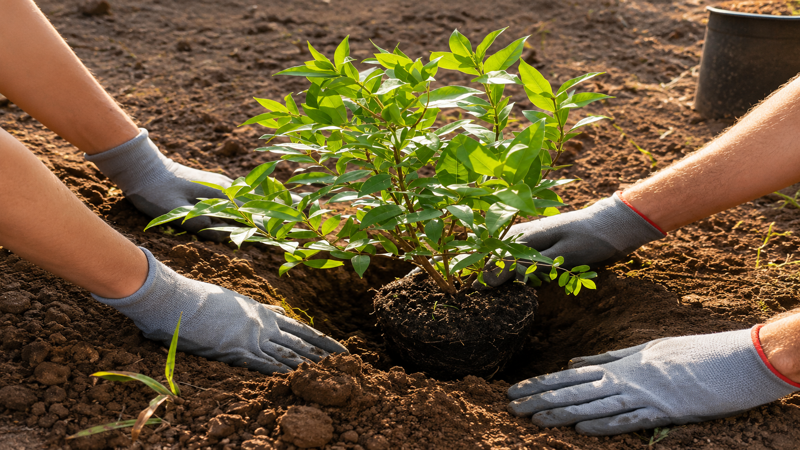
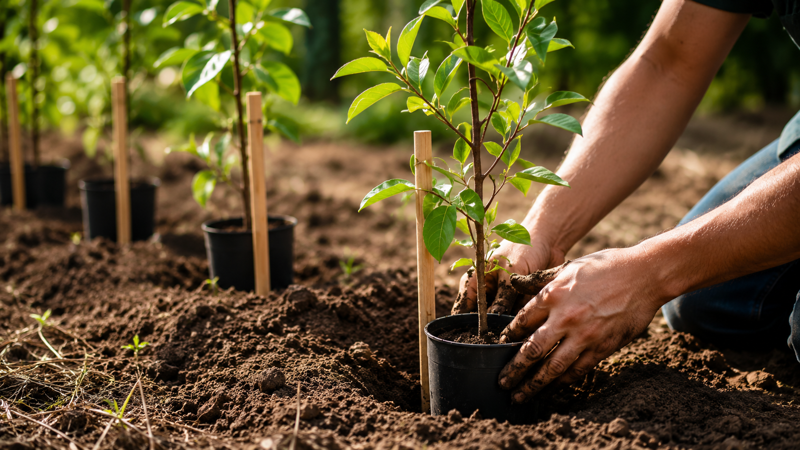
          1. Planting trees. Tree roots hold soil particles together, reducing soil erosion.
          Planting trees
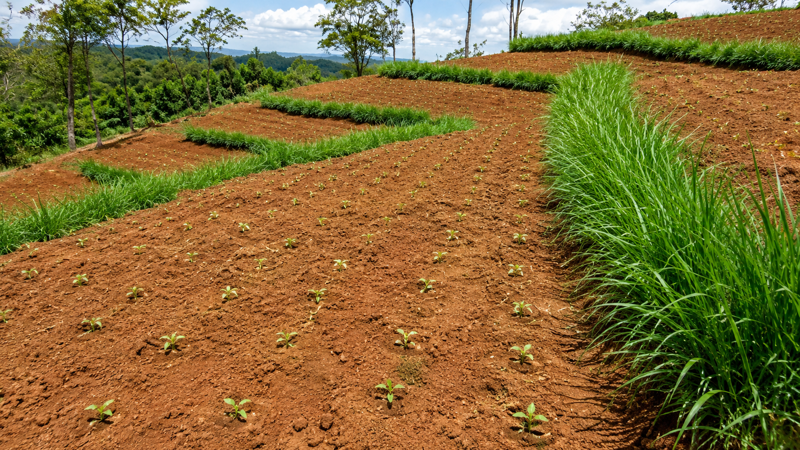
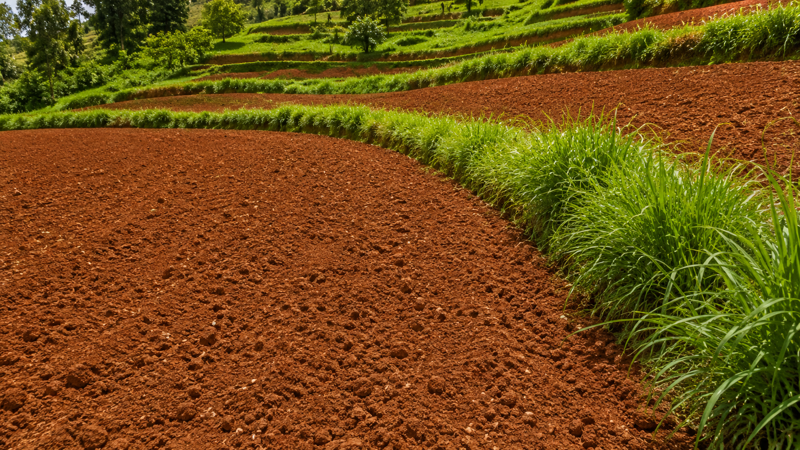
          1. Planting strips of grass. Grass strips across the slope of land reduces the speed of flowing water. They also filter out soil from the running water.
          Strips of grass across a slope
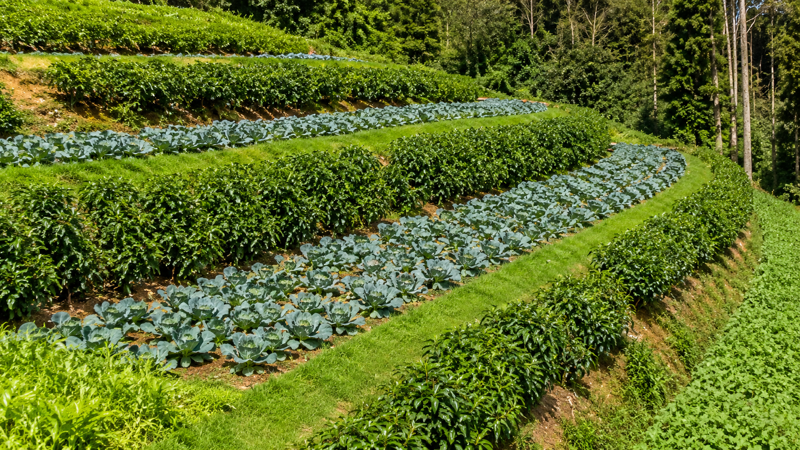
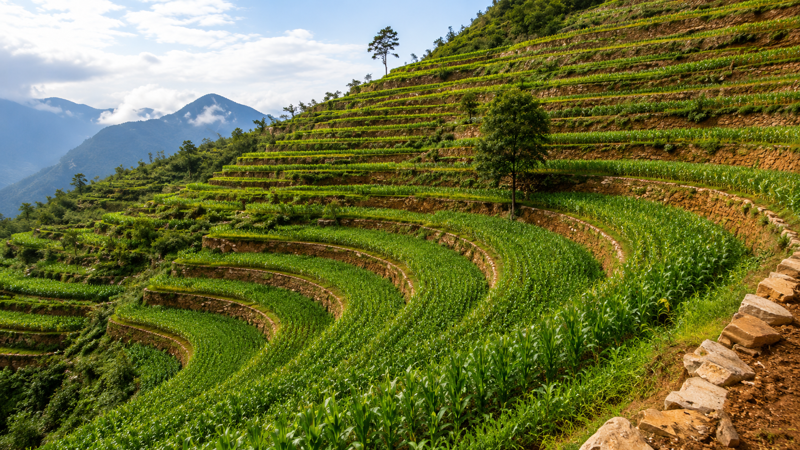
          1. Use of terraces. They are constructed on hilly areas to control soil erosion by reducing the surface flow of water.
          Use of terraces
          1. Contour farming. Tillage and planting are done across the slope. This creates ridges of earth that hold up water. Such ridges prevent rill erosion by reducing the speed of surface run-off.
          Contour farming

          (a) Controlling splash, sheet and rill erosion

          Activity 3: Controlling splash, rill and sheet erosion

          You need: Sweet potato vines or grass such as Lucerne or Disodium, dry grass or crop residues, a panga, a jembe and protective gear.

          Work in groups
          1. Identify sites within the school compound or in the neighborhood that are exposed to rill, sheet and splash erosion.
          2. Spread dry grass on the sites to cover the soil.
          3. Alternatively, plant sweet potato vines, Lucerne or any other crop that provides a good ground cover.
          4. Visit the site regularly to observe the effectiveness of the method used.
          5. If a cover crop was planted, give it time for it to establish and conserve soil effectively.

          Safety tips

          1. Pangas or jembes should be used carefully to avoid injury to self or others.
          2. Wear protective clothing while carrying out the activity.
          3. Clean the tools after the activity and store them properly.

          Learning corner

          Sheet and splash erosion can be controlled by the following ways:

          1. Mulching: the soil is covered with dry grass, plant leaves, maize stalks or straws.
          2. Planting of cover crops to prevent the movement of soil and to reduce the impact of raindrops.
          3. Filling small rills with soil: Fill small rills with the loose soil using a jembe or spade.

          (b) Controlling gully erosion

          Activity 5: Controlling gully erosion

          You need: Protective clothing, stones, poles and twigs.

          Work in groups
          1. Identify a site experiencing gully erosion as shown in picture A.
          2. Collect stones for the activity.
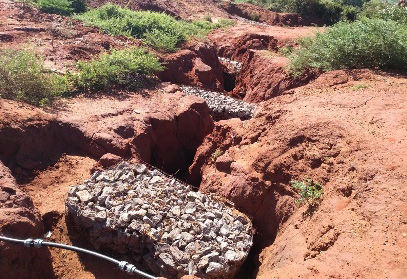
          3. Arrange stones at intervals across the floor of the gully as shown in picture B.
          4. Alternatively, make a double row of poles hammered across the floor of the gully.
          5. Lay twigs or branches of trees between the rows of poles. After some time, the eroded soil will be trapped.
          6. Plant vegetation on the trapped soil.
          7. Share your experiences on controlling gully erosion.

          A

          Gully erosion

          B

          Stones arranged in a gully

          Self-Check Corner

          While taking an evening walk, Imani observed small channels on the sides of the road. Down the valley, the channels were deeper and wider.

          1. Identify the type of erosion experienced:
            1. On the roadside.
            2. Down the valley.
          2. What are the features of the types of erosion identified?
              • Forms large deep channels.
              • Channels can be removed by normal ploughing.
              • Causes moderate soil loss.
              • Formed by enlarged rills.
              • Channels cannot be removed by normal ploughing.
              • Forms small, shallow channels.
              • Causes excessive loss of soil.
              1. How can the types of erosion identified be controlled?
                1. Rill erosion
                2. Gully erosion

              Learning corner

              1. Gully erosion is controlled by building a check dam across the channel.
              2. The floor of the gully is filled with stones.
              3. A double row of poles filled with twigs can also be constructed across the floor of the gully.
              4. Twigs or stones trap the soil being washed away.

              C. Importance of conserving soil

              1. Use digital or print resources to search for the importance of conserving soil.
              2. Which one of the following is not correct about soil conservation?
              • Soil conservation minimises loss of fertile soil.
              • Soil conservation improves the soil quality.
              • High yields are produced by plants growing in well-conserved soil.
              • Well-conserved soil supports the lives of living things such as earthworms.
              • Soil conservation improves soil erosion.
              • Soil conservation supports growth of plants.
              1. Discuss the importance of conserving soil.
              2. Design flashcards showing the importance of soil conservation.
              3. Display the cards in the classroom during a presentation on the importance of conserving soil.

              Review Exercise 1.1

              1. What is the meaning of soil erosion?
              • The planting of crops.
              • The digging of land.
              • The wearing away of the top layer of soil.
              • The watering of crops.
              1. What is the importance of soil in the growth of plants?
              • It changes the colour of plants.
              • It provides water and nutrients.
              • It makes plants grow overnight.
              • It prevents plants from flowering.
              1. What is the difference between rill and gully erosion?
                  • Cannot be removed by normal ploughing.
                  • Removes large amounts of soil.
                  • Forms small, shallow channels in the soil.
                  • Easier to control.
                  • Develops when rill erosion becomes more severe.
                  • More difficult and expensive to control.
                  • Removes small amounts of soil.
                  • Can be removed by normal ploughing.
                  • Caused by running water on the soil surface.
                  • Forms large, deep channels in the soil.
                  1. Apart from rainwater, what are the other causes of soil erosion?
                  • Wind
                  • Deforestation
                  • Overgrazing
                  • Terracing
                  1. Why is it difficult to notice sheet erosion?
                  • It removes a thin layer of soil evenly.
                  • It forms deep channels.
                  • It happens only at night.
                  • It occurs under the ground.
                  1. Match the methods of controlling soil erosion with what they do.
                  • Cover cropping
                  • Mulching
                  • Planting trees
                  • Covers the soil
                  • Stops soil from washing away
                  • Hold the soil firmly
                  1. What is the importance of controlling soil erosion?
                  • It maintains soil fertility.
                  • It increases soil loss.
                  • It destroys crops.
                  • It causes floods.
                  1. What can cause rill erosion to change into gully erosion?
                  • Continuous running water
                  • Planting trees
                  • Mulching
                  • Terracing
                  1. Mutinda planted maize seeds at the depth of one centimetre. Immediately after planting, the area received heavy rainfall. How would the rainfall affect the maize seeds?
                  • Make the seeds larger.
                  • Wash away the seeds.
                  • Turn the seeds into manure.
                  • Dry the seeds.
                  1. Which measure can be used to control soil erosion in your locality?
                  • Planting trees
                  • Mulching
                  • Cover cropping
                  • Terracing
                  • Contour farming